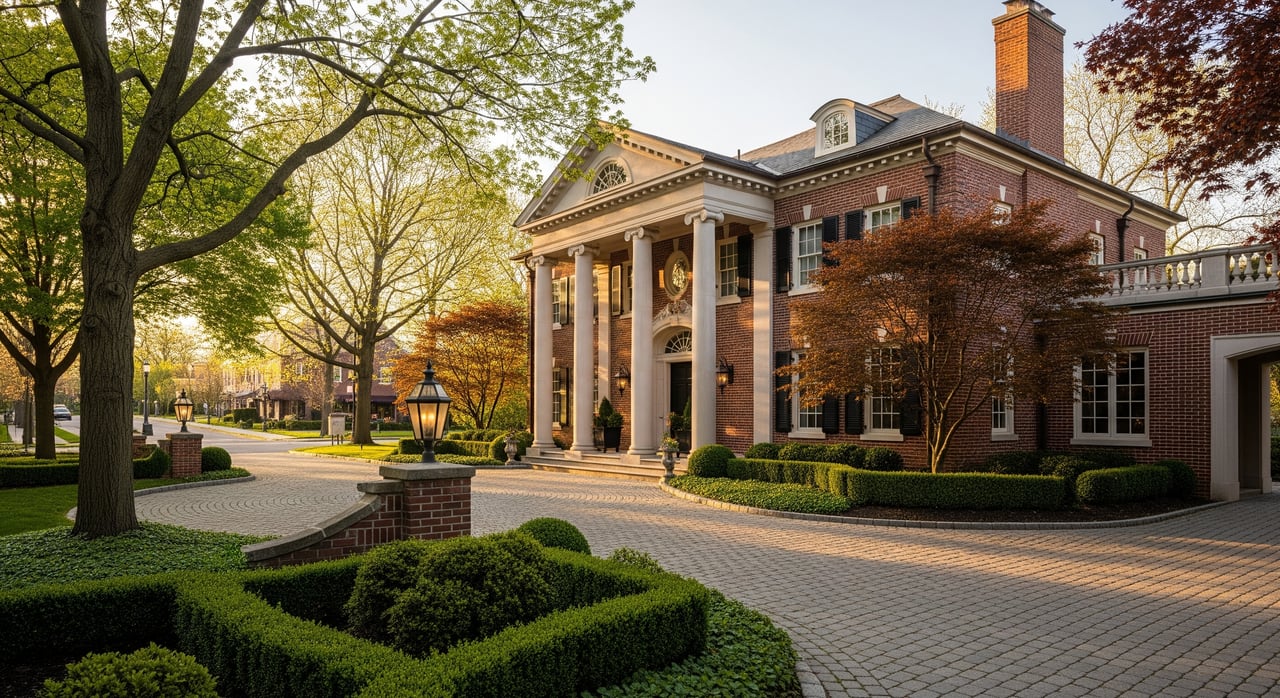
Torn between two great Oakland County addresses? You are not alone. Many luxury and move-up buyers compare Birmingham with Bloomfield Hills and wonder which one truly fits their lifestyle. This guide breaks down the everyday experience, homes and lots, commutes, schools, and long-term considerations so you can choose with confidence. Let’s dive in.
How to choose
Use this quick framework to focus your search:
- Do you value privacy and large lots or walkability and amenities?
- Which school setup fits your plan, including private options?
- What are your frequent commute routes and timing windows?
- How much maintenance are you comfortable managing or staffing?
- Which resale market fits your long-term plan: urban-luxury or estate-scale?
- Do you prefer renovated historic character or a custom new build timeline?
Lifestyle and daily living
Downtown, dining, retail
- Birmingham offers an upscale, walkable downtown centered around Shain Park with boutiques, restaurants, and frequent events. If you want a town-center lifestyle where you can stroll to dinner or coffee, Birmingham makes it easy.
- Bloomfield Hills is primarily residential with an estate feel. You will drive to nearby centers in Birmingham, Bloomfield Township, or Bloomfield Village for dining and shopping.
Parks and culture
- Bloomfield Hills is home to the Cranbrook Educational Community, which includes museums, gardens, and schools. It is a major cultural asset that shapes the area’s identity.
- Birmingham’s civic life is denser, with small parks, events, and active street-level retail creating a lively day-to-night rhythm.
Nightlife and services
- Birmingham offers more evening dining and social options within walking distance of many neighborhoods.
- Bloomfield Hills has fewer in-town nightlife choices. Residents typically drive to nearby districts for evening plans.
Walkability vs privacy
- Birmingham’s central neighborhoods score higher for walkability, with smaller lots and shorter yard work.
- Bloomfield Hills emphasizes privacy and scale on larger parcels. Expect long drives, mature landscaping, and a tranquil setting.
Schools and private education
- Both communities are served by well-regarded public school districts. School boundaries can vary by street, so verify zoning for any address.
- Bloomfield Hills includes the Cranbrook Schools campus, a renowned private K–12 option that draws many families seeking robust academics and arts.
- You will also find other private and parochial choices within a short drive of both areas. If private education is a priority, proximity can be a deciding factor.
Homes and lots
Birmingham homes and lots
- Mix of restored historic single-family homes, townhomes, condos, and select newer infill builds. Styles include Tudor, Colonial Revival, and Craftsman.
- Lots are generally smaller, often under one-half acre, with mature trees and established streetscapes.
- Great fit if you want character, convenience, and lower-maintenance options like luxury condos or townhomes.
Bloomfield Hills homes and lots
- Estate properties on expansive lots, commonly 1 to 5-plus acres, including historic residences and custom new builds. Some gated enclaves exist.
- Room for amenities like pools, tennis courts, generous garages, and guest or pool houses, subject to zoning.
- Ideal if you want a grand architectural statement, privacy, and the ability to build custom or renovate at scale.
Renovation and new-build paths
- In Birmingham, you will see high demand for quality renovations and modernizations in historic homes, plus premium condo and townhome options.
- In Bloomfield Hills, large-scale remodels and full custom builds are more common. Many buyers purchase with plans to build or significantly update.
Commute and access
Major routes
- Both areas are served by Woodward Avenue, Telegraph Road, I-75, and I-696, which connect you to Detroit, Southfield, Troy, and Farmington Hills.
- Birmingham’s central location offers straightforward drives to Southfield and downtown Detroit.
- Bloomfield Hills sits back from commercial corridors, with convenient access to Telegraph, I-75, and other regional routes depending on your destination.
Typical drive times
- Downtown Detroit: plan on about 20 to 40 minutes, depending on traffic and your exact neighborhood.
- Troy, Southfield, and Farmington Hills job centers: often 15 to 30 minutes from either community under normal conditions.
- Public transit is limited in the suburbs. Birmingham has stronger local bus connectivity, while Bloomfield Hills is more car-dependent.
Parking and logistics
- Bloomfield Hills estates often feature long drives, detached garages, and ample space for service vehicles and guests.
- Many Birmingham homes have smaller driveways or attached garages. Luxury condos and townhomes typically include structured parking.
Taxes, zoning, and upkeep
- Property taxes in Michigan are based on local millage rates and assessed value, and rates vary by municipality and school district. Always review the current tax bill for any property.
- Zoning rules differ. Birmingham’s residential districts may restrict certain accessory uses, while the downtown edge encourages walkable, mixed-use development. Bloomfield Hills often accommodates estate uses and accessory structures, with specific setback and lot-coverage rules to confirm.
- Historic overlays exist in parts of each community. If you plan exterior changes, verify any preservation guidelines.
- Plan for ongoing costs. Large estates bring higher expenses for landscaping, pools, utilities, insurance, and staffing. Older historic homes may require updates to mechanicals, roofing, and windows. Also confirm details like municipal water and sewer vs well and septic.
Resale and timing
- Birmingham’s luxury market includes renovated historic homes and high-end condos or townhomes. The buyer pool is broad, including downsizers, move-up families, and those seeking a walkable lifestyle.
- Bloomfield Hills’ luxury inventory skews toward estate-scale properties with higher absolute prices. The buyer pool is narrower and more preference-driven, which can affect time on market.
- Expect a longer search if you want a specific estate profile. In Birmingham, well-located homes near downtown can draw strong competition. Preparation and timing matter in both markets.
Who each area fits best
Choose Birmingham if you want
- A lively, walkable downtown lifestyle with dining and shopping close by.
- Restored historic homes or lower-maintenance luxury condos and townhomes.
- A broader resale pool that values urban-suburban convenience and character.
Choose Bloomfield Hills if you want
- Estate-scale living with privacy on large lots.
- Space for amenities like a pool, tennis court, or guest quarters, subject to zoning.
- Proximity to a renowned private school campus and a quieter in-town setting.
What to do next
- Create a clear wish list: lot size, school preferences, commute routes, rooms, and must-have amenities.
- Secure pre-approval or proof of funds so you can act decisively.
- Request zoning, tax, and utility details for properties before touring.
- Visit by day and evening to test commute times and neighborhood feel.
- Work with an agent who knows both markets well. Private tours, estate-viewing protocols, and the right local contacts can save you time and stress.
Ready to compare your short list or arrange private tours? Connect with Eddie Mallad for tailored guidance and a seamless plan from search to closing.
FAQs
Which has the better schools: Birmingham or Bloomfield Hills?
- Both areas are served by well-regarded public districts; Bloomfield Hills also includes the Cranbrook Schools campus for private education. Always verify zoning for a specific address.
Which area offers a shorter commute to Detroit?
- Both offer reasonable access via major routes. Birmingham’s central location may save minutes in some cases, but peak-hour traffic and your exact route are the biggest factors.
Where will I find more new luxury builds?
- Bloomfield Hills has more custom and estate-scale new construction. Birmingham tends to feature renovated historic homes and infill townhome or condo development.
Which market is easier to resell in?
- Birmingham’s walkable-luxury homes and condos often appeal to a broad buyer pool. Bloomfield Hills estates can be less liquid but hold value well when maintained and updated.
What ongoing costs should I expect with an estate property?
- Budget for larger landscaping, pool care, utilities, insurance, and potential staffing, plus any infrastructure considerations like well and septic vs municipal services.
