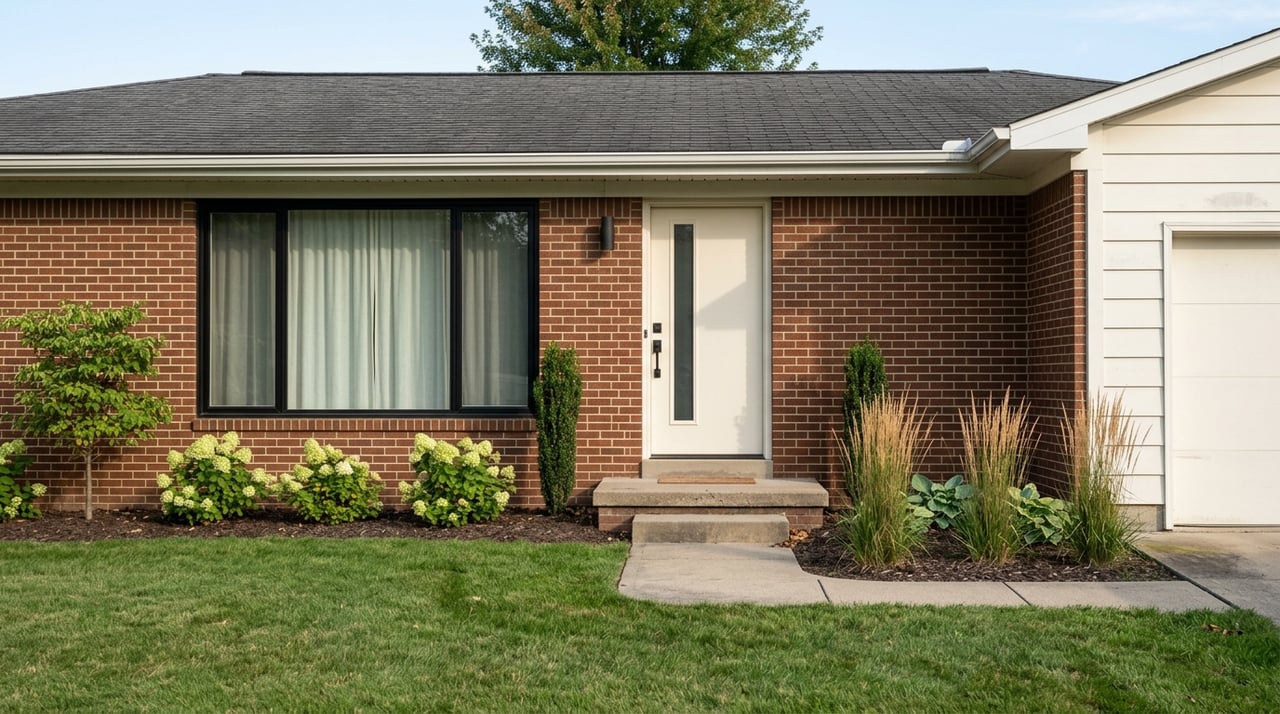
Thinking about buying a ranch or bungalow home in Livonia? You are not alone. In a city where most buyers are choosing from older, existing homes instead of new construction, understanding the difference between these two styles can help you make a smarter decision and avoid costly surprises. This guide will walk you through what makes ranch and bungalow homes distinct in Livonia, what to watch during showings, and how to weigh charm against updates. Let’s dive in.
Livonia Homes Start With Existing Housing
If you are buying in Livonia, you will usually be shopping older homes rather than brand-new builds. The city’s housing stock is largely made up of single-family homes, and much of it was built between 1950 and 1970.
That matters because home style, age, and condition are closely connected here. Livonia is more than 85% single-family residential, and there is little vacant residential land available for new construction. For most buyers, that means your search will focus on homes that have already lived through decades of ownership, updates, and repairs.
Livonia is also a mostly owner-occupied market. According to the city’s Census profile, owner occupancy is 86.6%, with a low vacancy rate of 2.7%.
Why Ranch Homes Are So Common
Ranch homes are often the first style you will see in Livonia. That is because the ranch style rose in popularity during the 1950s and 1960s, which lines up closely with Livonia’s major postwar growth years.
Livonia incorporated in 1950 after industrial development in the late 1940s, including the General Motors transmission plant and a Ford parts depot. As the city grew during that era, so did the supply of practical, single-story homes.
What Defines a Ranch Home
A ranch home is typically a one-story house with a long, low roofline and a simple layout. Many also include an attached garage or carport and easy access to a backyard patio or courtyard.
For many buyers, the appeal is simple. You get one-level living, a straightforward floor plan, and easy movement between the kitchen, living spaces, garage, and yard.
Why Buyers Like Ranch Layouts
Ranch homes can feel easy to live in day to day. Without stairs in the main living area, the layout often feels more accessible and efficient.
That said, not every ranch works the same way. Some have later additions or changes that may not feel well integrated, so it is worth paying attention to how the home flows and whether the layout fits your routines.
What Makes a Livonia Bungalow Different
A true bungalow in Livonia is usually an older home and less common than a ranch. That is because bungalow and Craftsman-style homes were most popular from about 1900 to 1930, well before Livonia’s main postwar housing boom.
In practical terms, that means a bungalow is more likely to be a charm-driven find rather than the typical Livonia house. If you are drawn to this style, you are often looking for character first and then evaluating how much updating the home may need.
What Defines a Bungalow
Bungalows are usually one or one-and-a-half stories. Common features include low-pitched roofs, overhanging eaves, front porches, dormers, exposed rafters or braces, and connected living spaces.
Many buyers love bungalows for their scale and personality. A front porch, architectural details, and a cozy footprint can make these homes feel distinctive in a market where ranches are more common.
Where Bungalows Need Extra Scrutiny
Character is appealing, but function still matters. If a bungalow has been renovated over time, you will want to look closely at whether those changes improved the home or made it less practical.
For example, a home may still look charming from the curb but have awkward room connections, limited storage, or updates that do not match the home’s original structure well. In an older home, style should never distract you from usability.
Ranch vs Bungalow in Livonia
If you are deciding between the two, it helps to compare how each style tends to live in the real world.
| Feature | Ranch Home | Bungalow Home |
|---|---|---|
| Typical era in Livonia | Mostly postwar, often 1950s to 1960s | Usually older, more likely prewar style |
| Typical layout | Single-story, simple floor plan | One or one-and-a-half stories, connected rooms |
| Common appeal | Easy one-level living, practical flow | Porch character, architectural detail, smaller scale |
| Main buyer check | Whether additions and updates feel seamless | Whether renovations preserved function |
| Likely market presence | Very common | Less common |
What to Check During Showings
Because many Livonia homes are older, the showing is about more than finishes. You are also looking for signs of deferred maintenance, aging systems, and upgrade needs.
The city’s housing planning documents note that many homes require ongoing maintenance and system upgrades to remain in good repair. That makes your walkthrough an important part of understanding not just the home’s style, but its true condition.
Roof, Eaves, and Drainage
Both ranches and bungalows often have low-pitched roof forms and wide eaves. During a showing, look for staining, sagging areas, missing shingles, and signs that water may not be draining away from the house properly.
Water management issues can become expensive over time. Even if a home looks well kept, exterior drainage problems can point to maintenance needs that deserve a closer look.
Windows and Insulation
Older homes may not have modern insulation levels. If a home still has older windows or feels drafty, ask what has been done to improve efficiency and comfort.
ENERGY STAR says sealing air leaks and adding insulation may save up to 10% on annual energy bills. It also notes that replacing single-pane windows can lower household energy bills by up to 13% nationwide.
Mechanical Systems
In Livonia, many homes are aging at the same time. That is why it is smart to ask about the furnace, central air, plumbing, and electrical systems and when each was last updated.
A polished kitchen can catch your eye, but major systems often shape your real budget more than cosmetic details. The key question is whether the home has already absorbed the larger capital costs or whether those costs are still coming your way.
Lead-Based Paint Disclosures
If you are buying a home built before 1978, lead-based paint is a real consideration. Sellers of most pre-1978 homes must disclose known lead-based paint and known hazards before a sale.
This is especially relevant in a city with older housing stock. Homes built between 1960 and 1978 can still contain lead-based paint, so age alone should prompt careful questions.
Budget Beyond the Asking Price
In Livonia, style and condition often move together. A well-updated ranch may compete very differently from an older bungalow that still needs system work or cosmetic improvements.
That is why it helps to think in terms of move-in ready versus needs-updates, not just ranch versus bungalow. The better buy for you depends on your budget, timeline, and comfort with future projects.
According to the Census Bureau’s 2020-2024 QuickFacts estimate, Livonia’s median value of owner-occupied housing is about $281,100. Median monthly owner costs are estimated at $1,698 with a mortgage and $678 without one.
Move-In Ready vs Needs Updates
A move-in ready home may come with a higher price tag, but it can offer more predictability. If systems, windows, insulation, and major surfaces have already been updated, you may face fewer near-term surprises.
A home that needs work may open the door to a lower entry point or more personalization. Still, you should go in with a clear understanding of what those future updates may cost in both time and money.
How to Choose the Right Fit
The right home is not just about style. It is about how the property supports the way you live and what level of updates you are ready to take on.
If you want simple daily flow and one-level living, a ranch may check more boxes. If you care most about character and do not mind a smaller footprint or older layout, a bungalow may be worth a closer look.
A smart purchase in Livonia usually comes down to three things:
- How well the layout fits your daily routine
- Which major systems have already been updated
- Whether the asking price matches the home’s condition
Livonia’s housing stock tells a clear story. Much of it was built decades ago, and that means every showing should balance charm with practical evaluation.
When you have the right guidance, it becomes easier to spot the difference between a home that simply looks appealing and one that truly fits your goals. If you are planning a move in Livonia and want experienced, hands-on guidance, connect with Eddie Mallad for professional support backed by deep Metro Detroit market knowledge.
FAQs
What is the most common home style for buyers in Livonia?
- Ranch homes are generally the most common style buyers will see in Livonia because much of the city’s housing was built during the 1950s and 1960s, when ranch homes were especially popular.
What should you check when buying an older Livonia ranch or bungalow?
- Focus on the roof, eaves, drainage, windows, insulation, furnace, central air, plumbing, electrical systems, and whether the home has any known lead-based paint issues if it was built before 1978.
Are bungalow homes common in Livonia?
- True bungalows are usually less common in Livonia than ranch homes because bungalows were most popular earlier, from about 1900 to 1930, before Livonia’s main postwar building era.
How do Livonia ranch homes and bungalows differ in layout?
- Ranch homes are typically single-story with simple, practical floor plans, while bungalows are usually one or one-and-a-half stories with porches, dormers, and more connected interior rooms.
What is the median home value in Livonia, Michigan?
- The Census Bureau’s 2020-2024 QuickFacts estimate puts the median value of owner-occupied housing in Livonia at about $281,100.
