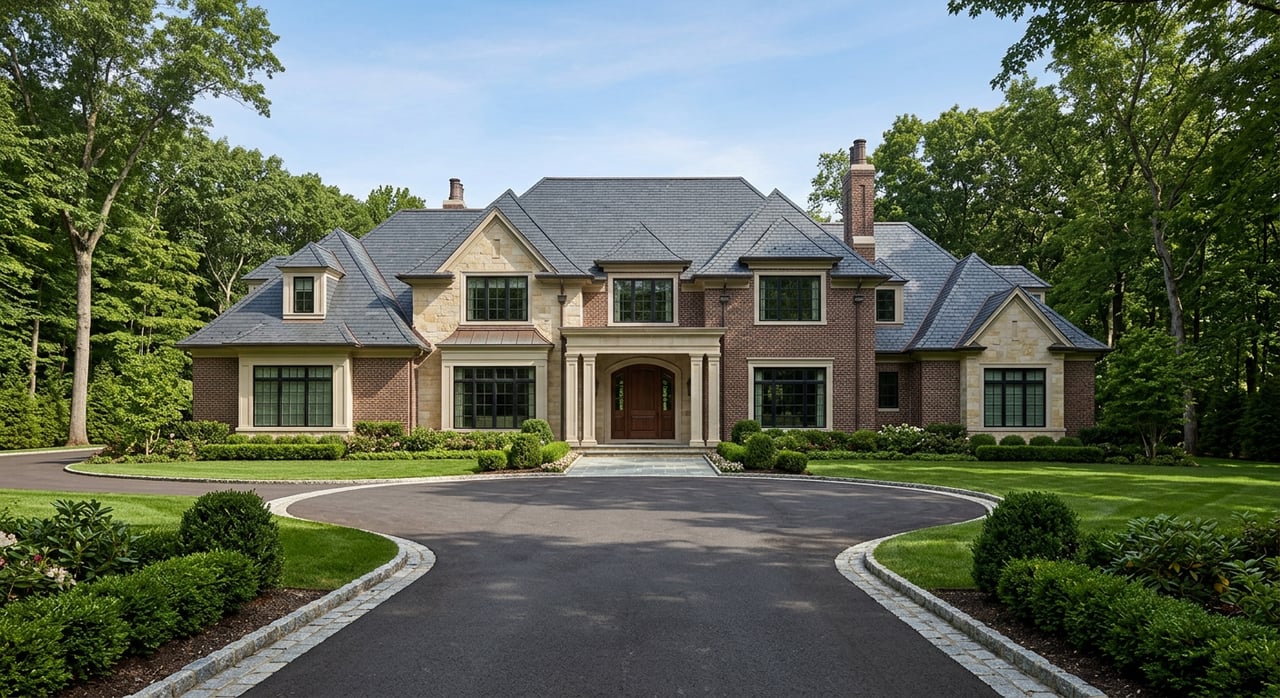
You want privacy, presence, and a home that feels like it was designed for you. In Bloomfield Hills’ 48304 ZIP, that often means an estate property with acreage, mature trees, and true architectural character. If you are narrowing your search to this pocket of Oakland County, you likely value space, pedigree, and convenience to Birmingham. In this guide, you will learn what defines estate value here, what to check on the land and permits, how to plan for ownership costs, and how 48304 compares to nearby options. Let’s dive in.
Why 48304 draws estate buyers
Estate listings in 48304 sit above most market medians. Vendors report different numbers because they track different geographies and use different methods. For example, city-level medians often show high six to low seven figures, while ZIP-level medians can read lower because 48304 includes a mix of housing stock. The key takeaway is to view price as a range, not a single number, and expect true estate parcels above one million with limited inventory.
Beyond price, buyers choose 48304 for privacy, larger wooded lots, and thoughtful architecture shaped by the area’s design heritage. The Cranbrook Educational Community’s influence helps explain why architect-designed homes and classic styles hold lasting appeal here. You also gain quick access to Birmingham amenities and a mix of well-regarded public and private school options.
What defines an estate here
Architecture and pedigree
You will see Tudor and English‑manor designs, Georgian and Colonial revival, mid-century modern, and high-end contemporary builds. The local design culture, shaped by Cranbrook, adds weight to homes with strong architectural lines, custom millwork, and purposeful siting. Heritage properties and newer custom builds with quality materials tend to command a premium.
Privacy and approach
Mature canopy, long private drives, stone walls, and layered landscape design are common value drivers. These features create a sense of arrival and separation from the street. They may also come with tree protection or landscape rules that affect changes you want to make.
Signature amenities
Expect in-ground pools, outdoor kitchens, guest houses, large garages, formal gardens, and on rare larger parcels, sport courts or equestrian elements. Each amenity carries its own permitting and maintenance profile, so plan your inspections accordingly.
Land and zoning essentials in Bloomfield Hills
Lot size, zoning, and covenants
Estate parcels vary widely, and restrictions do too. Minimum lot area, setbacks, and accessory uses depend on the zoning district and any recorded covenants. Before you write an offer, verify the zoning and permit history with the City of Bloomfield Hills and ask for any recorded deed restrictions or HOA rules. Start with the city’s Building and Development resources and contact information for parcel-specific guidance. You can find these resources on the City of Bloomfield Hills Building page.
- City resource: Visit the City of Bloomfield Hills Building and Development page for zoning and permit contacts.
City of Bloomfield Hills Building page
Tree and landscape rules
Mature trees and stonework are signature features in 48304. The city enforces tree protection and related permitting. If you plan to remove or modify established landscaping, factor permit timing into your project schedule and speak with the city early.
Wetlands, streams, and permits
Many estate parcels include ponds, streams, or low-lying areas. In Michigan, wetlands and some water-related work require state review. Before any fill, grading, or construction that could affect regulated features, review state guidance and check for prior permits or MiEnviro records.
- State resource: See Michigan EGLE’s wetland permit guidance.
Floodplains and drainage
Even if a property is outside the high-risk flood zone, local drainage still matters for basements, pool equipment, and insurance. Use FEMA’s Flood Map Service Center to check a parcel’s flood zone. If needed, consider an elevation survey or a Letter of Map Amendment.
Utilities: municipal vs private systems
In the Bloomfield area, some older enclaves historically used private wells or septic systems. Local jurisdictions have completed water-main projects to expand municipal service. Confirm whether the home is connected to municipal water and sewer or still relies on private systems, since this affects permitting, maintenance, and insurance.
Bloomfield Township water-main project examples
Topography, soils, and engineering
If a lot includes slopes, ravines, or rear wetlands, order a boundary and topographic survey. Ask for soils and percolation tests if any private septic is in place or you plan additions. For major site changes, engage a civil engineer to review grading, stormwater, and erosion controls to keep your future projects on track with state and local requirements.
Ownership costs to plan for
Grounds, trees, and snow
Acreage changes your annual budget. Plan line items for routine turf care, bed maintenance, irrigation, snow removal, seasonal cleanups, and periodic tree care. Request vendor quotes during due diligence so you close with accurate numbers.
Pools and water features
Pool operating and maintenance costs vary by size and type. A common planning range for residential pools is roughly $1,000 to $6,000 per year including chemicals, service, energy, and minor repairs, with larger or complex systems often running higher. A pre-purchase pool inspection is wise.
Insurance and liability
High-value homes often need specialized homeowners policies with broader replacement coverage, higher liability limits, and endorsements for detached structures or collections. Flood insurance is separate from standard homeowners policies. NFIP limits may not fully cover very high-value homes, so some owners use private or excess flood options. Get insurance quotes early in underwriting.
Consumer basics on flood insurance
Taxes and millage
Total property tax can vary by parcel due to city, county, school, and other assessments. Review the city’s published millage schedules, request the current tax bill from the seller, and consult the assessor for post-purchase estimates.
Financing and valuation in the estate segment
Jumbo financing
Because many estate homes exceed conforming loan limits, you may need a jumbo loan with stricter credit, down payment, and reserve requirements. The FHFA baseline conforming loan limit for 2026 is $832,750, with higher limits only in designated high-cost areas. Speak with your lender early to align terms with your target price.
Appraisal complexity
No two estates are the same. Appraisers often expand the search area for comparable sales and rely on multiple methods. Experience with high-value and unique properties matters, so ask your lender to assign an appraiser with luxury expertise and plan for a longer timeline if needed.
How luxury homes are appraised
Bloomfield Hills vs nearby options
- Price and lot size. Bloomfield Hills tends to sit above nearby suburban medians and offers larger lots with more privacy. Neighboring cities like Troy and Farmington Hills often show mid to upper six-figure medians, and Warren trends lower with more typical city-suburban stock. If you value acreage and architecture, Bloomfield Hills often justifies the premium.
- Schools and lifestyle. You will find well-regarded public options and notable private choices such as Cranbrook Schools, which contributes to strong demand from families who value education.
- Commute and amenities. Estate living here prioritizes privacy over walkability. Downtown Birmingham is your primary nearby hub for dining and shopping, while routine errands are a short drive.
About Cranbrook Educational Community
Smart buyer checklist for 48304 estates
Use this list as a starting point and verify each item with the right specialist:
- Confirm municipal status, zoning district, setbacks, and any deed restrictions or HOA covenants. Contact the City of Bloomfield Hills Building Department for permit history.
- Verify water and sewer connections. If private well or septic is present, get records and plan for inspection and possible upgrades.
- Check flood zone status, drainage history, and any prior mitigation work. Order an elevation survey if flood boundaries are unclear.
- Ask about wetlands or regulated water features. Request any past EGLE permits or delineations.
- Order a boundary and topographic survey. If older or historic, include specialized inspections for materials and mechanicals.
- Align financing with price targets. Discuss conforming vs jumbo requirements and rate-lock timing with your lender.
- Build an operating budget that covers grounds, snow, tree care, pool servicing, and insurance. Obtain quotes before you finalize your offer.
Make your move with confidence
If you are ready to target estate living in 48304, you deserve guidance that is personal, discreet, and backed by deep local experience. As a veteran broker with decades in Metro Detroit and a full-service team behind him, Eddie Mallad brings white-glove representation and the scale to handle complex, high-value purchases. Reach out to discuss your goals, refine your search, and tour the right properties with confidence.
FAQs
What price range should I expect for estate homes in Bloomfield Hills 48304?
- Estate parcels with 1 to 3 or more acres and custom or historic architecture often list above one million, with exact pricing varying by location, architecture, and amenities.
How do zoning and tree rules affect renovations on an estate lot?
- The city enforces zoning and tree protections, so plan for permits and timeline considerations before removing mature trees or altering setbacks or accessory structures.
How do I check for wetlands or flood risk before I buy?
- Review state wetland guidance and FEMA flood maps, request any prior permits or surveys, and consider an elevation certificate or delineation where site conditions are complex.
Will I need a jumbo loan for a Bloomfield Hills estate purchase?
- Many estate homes exceed conforming limits, so jumbo financing is common and carries stricter credit, down payment, and reserve requirements. Start lender conversations early.
What ongoing costs are unique to estate home ownership?
- Budget for scaled-up grounds care, tree work, snow removal, and pool maintenance, plus specialized insurance coverage and higher utility costs on larger properties.
