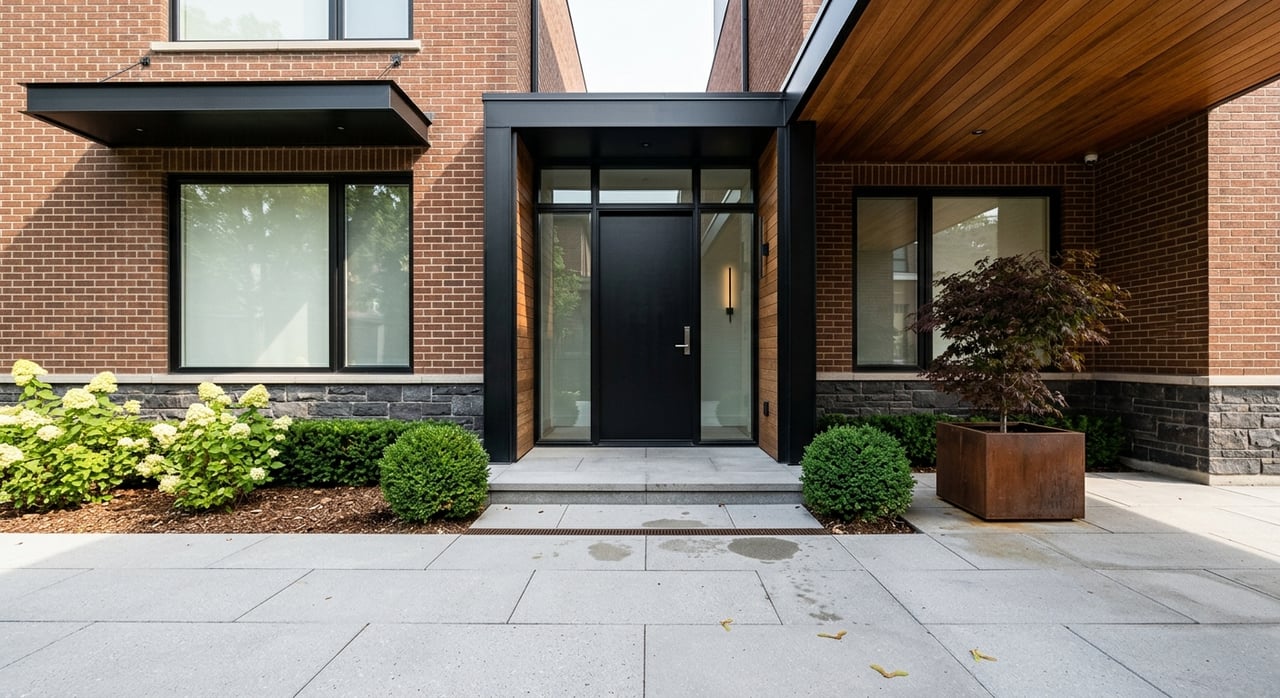
If you want a home in Birmingham without the full maintenance load of a larger property, condos and townhomes deserve a close look. Many buyers are drawn to the idea of staying near downtown, enjoying a walkable setting, and keeping day-to-day upkeep more manageable. In this guide, you’ll get a practical look at what condo and townhome living in Birmingham, MI can offer, what to compare as you tour, and what to review before you commit. Let’s dive in.
Why Birmingham Fits This Lifestyle
Birmingham is a compact city in Oakland County with an estimated population of 21,923 and just 4.79 square miles of land area as of July 1, 2025. That smaller footprint helps explain why location, convenience, and ease of living play such a big role in the local housing conversation.
The city’s housing market also supports interest in low-maintenance options. Census estimates for 2020 through 2024 show a 77.1% owner-occupied housing rate, a median owner-occupied home value of $698,300, and a median household income of $153,510. In a high-value ownership market like this, many buyers look for ways to stay close to the action while simplifying upkeep.
Downtown Birmingham is often described as pedestrian-friendly, with a small-town feel and the amenities of an affluent urban area. If you value easy access to shops, dining, parks, and events, condo and townhome living can line up well with that goal.
Condo and Townhome Options Vary
One of the biggest mistakes buyers make is assuming every attached home in Birmingham offers the same experience. In reality, the local market includes several different formats, and each one can feel very different once you step inside.
You may find compact downtown condos that put you close to the center of activity. Birmingham Place at 401 South Old Woodward Avenue is one example of residential living right in the downtown core, near shops, dining, and parking garages.
You may also see larger attached townhomes designed to feel more like a traditional house. Eton Street Station includes low-maintenance townhomes with attached garages, open floorplans, and up to three bedrooms, with some homes offering more than 3,000 square feet.
Newer luxury attached housing can offer even more interior space. Parkview Luxury Residences includes three-bedroom, 4.1-bath townhomes of about 4,500 square feet on the south side of Shain Park.
The key takeaway is simple: in Birmingham, you are not choosing between just “a condo” or “a townhome.” You are often comparing walkability, floor plan, parking, privacy, and daily routine just as much as price.
What Condo Living Feels Like
For many buyers, condo living in Birmingham is about efficiency and access. If you want to lock up and go, stay close to downtown destinations, and spend less time managing exterior chores, a condo can be a smart fit.
A downtown condo may give you easier access to the city’s everyday amenities. The Birmingham Shopping District says downtown offers nearly 300 retailers, restaurants, theaters, events, and a pedestrian-friendly core. That means your home search is not only about square footage, but also about how you want to live from one day to the next.
Condo buyers should also think carefully about the shared nature of the property. Under Michigan condo law, you own your individual unit and share common elements with other co-owners. Common elements can include lobbies, hallways, exterior areas, lawns, recreation spaces, and major building systems.
That legal structure matters because it shapes what you maintain, what the association maintains, and what your monthly dues help support. A condo may feel simple on the surface, but the documents tell the real story.
What Townhome Living Feels Like
Townhome living often appeals to buyers who want a more house-like layout while staying close to Birmingham’s downtown core. You may prefer a townhome if you want multiple levels, more interior square footage, or direct access from an attached garage.
Some Birmingham townhomes are built for buyers who want both convenience and room to spread out. Projects like Eton Street Station and Parkview Luxury Residences show that attached living here can include large floorplans and premium finishes, not just compact urban units.
That extra space can change how the home functions for you. A townhome may give you better separation between living areas and bedrooms, more storage, and a layout that feels more familiar if you are moving from a single-family home.
Still, it is important not to judge ownership structure by appearance alone. Michigan’s Condo Buyer’s Handbook notes that site condominiums can look like detached subdivisions even though they are governed by the Condominium Act.
Walkability and Daily Convenience
Lifestyle is a major reason buyers focus on Birmingham condos and townhomes. If you want to spend less time driving for everyday plans, downtown access can become one of the biggest advantages of attached living.
The downtown district highlights nearly 300 retailers, restaurants, theaters, and events. That concentration of amenities supports the appeal of living near the center of town, especially if you enjoy being able to reach dining, shopping, or entertainment on foot.
Parking still matters, even in a walkable area. Birmingham offers five municipal parking garages, and the city provides the first two hours free, then $2 per hour up to a $10 daily maximum. For buyers who host guests or still rely heavily on a car, this can be a meaningful part of the day-to-day equation.
When you tour, think beyond the unit itself. Ask yourself how often you want to walk to errands, dinner, parks, or events, and how much that convenience is worth in your home search.
Parks and Public Spaces Add Value
Birmingham’s outdoor spaces also play a real role in condo and townhome living. The city has 26 parks and more than 230 acres of parkland, which adds breathing room and recreation options even in a compact community.
Shain Park is a strong example of how public space supports the downtown lifestyle. It includes outdoor seating, paved walking paths, public art, a playground, and a performance stage. If you live nearby, that space can become part of your routine.
Booth Park offers another type of outdoor draw, with a playscape, a connection to the Rouge River Trail System, native plantings, and rain gardens. For buyers comparing urban convenience with outdoor access, these nearby amenities can make attached living feel more balanced.
Recurring events also shape the experience. The downtown district highlights farmers market programming, concerts, seasonal markets, and theater access, so many buyers are choosing not just a home, but a lifestyle rhythm.
HOA Dues and Reserve Funds Matter
Monthly dues are one of the most important pieces to review before you buy. They may support maintenance, common areas, building systems, and other shared responsibilities, but what is included can vary widely from one property to another.
Michigan requires condominium associations to maintain a reserve fund for major repairs and replacement of common elements. The required minimum is 10% of the annual budget on a non-cumulative basis, which makes reserve planning an important part of the association’s financial picture.
You should also know that monthly fees and assessments are a lien on the condominium unit and cannot be avoided just because you do not use certain common elements. That is why reviewing the budget and asking questions early can save you from surprises later.
A lower monthly fee is not automatically better. In some cases, it may simply mean less coverage, less funding in reserves, or greater potential for future assessments.
What to Review Before You Buy
Before signing, Michigan says a buyer should receive several important documents. These include the recorded master deed, the purchase agreement, the Condo Buyer’s Handbook, and a disclosure statement that includes the developer’s prior experience, warranties, financing for must-build items, and an itemized association budget.
These materials help you understand what you are actually buying. They also help you separate attractive finishes and staging from the legal and financial realities of ownership.
As you tour Birmingham condos and townhomes, keep this checklist in mind:
- Confirm what the monthly dues cover
- Ask about reserve funding and possible assessment exposure
- Verify whether parking is assigned, private, or guest-accessible
- Determine whether balconies, patios, yards, or storage spaces are private property or limited common elements
- Review whether the bylaws address rental or occupancy terms if future renting may matter to you
That last point can be especially important. Michigan’s handbook says associations may amend condominium documents regarding rental and occupancy terms, subject to existing lease rights.
Who Condo Living Fits Best
Condo living in Birmingham tends to fit buyers who want a central location, shorter maintenance lists, and easy access to shopping, dining, parks, and events. It can be a strong match if you value convenience and plan to spend more time enjoying the city than maintaining a property.
It may also suit buyers who want a simpler ownership experience in a high-value market. If your priority is being close to downtown and keeping your routine efficient, a condo can check a lot of boxes.
Who Townhome Living Fits Best
Townhome living often fits buyers who want more room without giving up proximity to downtown Birmingham. You may prefer this option if you want an attached garage, a multi-level layout, or square footage that feels closer to a traditional house.
For some buyers, a townhome creates the best middle ground. You keep many of the convenience benefits of attached living while gaining space, storage, and a more private day-to-day setup.
The Smartest Next Step
In Birmingham, the best condo or townhome is not always the one with the flashiest finishes or the biggest room sizes. It is the one that matches your lifestyle, parking needs, maintenance expectations, and comfort with the association structure.
That is why careful review matters so much. The smartest move is to pair the lifestyle tour with a close read of the condo documents, so you understand exactly what you own, what you share, and what your long-term costs may look like.
If you are comparing condos, townhomes, or other homes in Birmingham, working with an experienced local broker can help you evaluate both the property and the fine print with confidence. When you are ready for tailored guidance, connect with Eddie Mallad for expert help navigating Birmingham’s market.
FAQs
What is the difference between a Birmingham condo and a Birmingham townhome?
- In Birmingham, a condo often refers to a unit with shared common elements and a lower-maintenance lifestyle, while a townhome often offers a more house-like layout with multiple levels, more space, and sometimes an attached garage.
What should you ask about HOA dues in a Birmingham condo or townhome?
- You should ask what the dues cover, how much the association keeps in reserves, whether there is exposure to special assessments, and which parts of the property are maintained by the association.
Why is walkability important for Birmingham condo living?
- Walkability is a major draw because downtown Birmingham offers nearly 300 retailers, restaurants, theaters, events, and a pedestrian-friendly core that can make daily life more convenient.
What public amenities support townhome and condo living in Birmingham?
- Birmingham offers 26 parks and more than 230 acres of parkland, plus downtown destinations, municipal parking garages, farmers market programming, concerts, seasonal markets, and theater access.
What documents should you review before buying a Birmingham condo?
- Before buying, you should review the recorded master deed, purchase agreement, Condo Buyer’s Handbook, disclosure statement, and the association budget so you understand ownership structure, dues, and financial obligations.
