Choosing between Northville’s historic streets and its newer subdivisions is not just about home style. It is about how you want to live day to day, how much flexibility you want as an owner, and even which local jurisdiction the property is actually in. If you are weighing charm versus newer planning, this guide will help you compare the tradeoffs clearly and make a smarter move. Let’s dive in.
Start With One Key Northville Fact
Before you compare older streets to newer neighborhoods, you need to confirm where the home is located. A Northville mailing address does not always mean the property is in the City of Northville.
According to the city, seven communities use a Northville mailing address while being located in different jurisdictions. That matters because the experience of owning a home in the City of Northville can be very different from owning in Northville Township, especially when you are comparing historic homes with newer planned subdivisions.
City Northville vs Township Northville
The City of Northville is the smaller, more historic core. The city reports a population of about 6,000 residents within roughly 2.2 square miles, with a walkable downtown, historic buildings, parks, and trails.
Northville Township is the larger growth area. Its 2023 master plan describes a community of about 32,000 residents, with future growth and redevelopment guided by a long-range planning framework. In practical terms, that planning structure helps explain why many newer neighborhoods in the Northville area feel more formal, more uniform, and more system-driven.
Why Historic Streets Feel Different
Northville’s historic areas offer a setting that many buyers find hard to replicate. The city’s Historic District covers about 144 acres, and the surrounding streets branching from downtown are known for mature trees, porches, narrow sidewalks, and deep backyards.
That streetscape creates a strong sense of place. If you picture walking to downtown for dinner, stopping by local shops, or heading to the library on foot, this is the side of Northville that tends to support that lifestyle most directly.
Historic Homes Have More Individuality
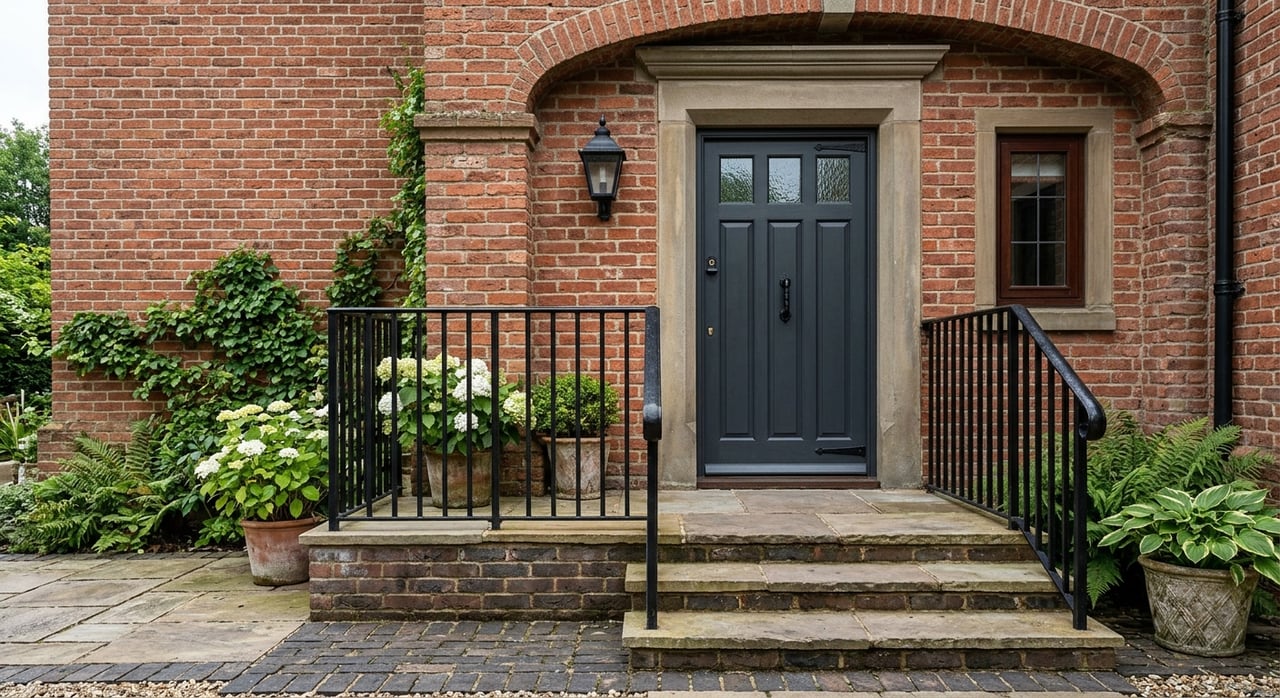
One reason buyers are drawn to the historic side is the housing stock itself. City materials describe features such as thick walls, coved or arched doorways, solid-wood doors, wood floors, tall ceilings, and carefully placed windows.
These homes often feel less standardized than newer builds. Instead of a repeating subdivision pattern, you are more likely to see houses with distinct architecture, different proportions, and details that give each property its own personality.
Downtown Access Is a Big Advantage
Downtown is one of the biggest lifestyle benefits of the historic side of Northville. The city describes downtown as home to specialty shops, theaters, restaurants, and other landmarks, with many retailers and restaurants being locally owned.
For many buyers, that translates into convenience and energy. You are not just buying a house. You are buying easier access to the kinds of places and routines that shape everyday life.
Historic Ownership Comes With More Oversight
The charm of historic Northville comes with an important tradeoff. The Historic District Commission reviews construction, alteration, moving, exterior changes, exterior paint colors, and demolition within the district.
The city adopted updated Historic District Design Guidelines on August 5, 2024, to support renovations, upgrades, modernization, and compatible new construction while preserving historic character. That means you may have less exterior freedom than you would in a non-historic setting, and projects can involve more review and planning.
Why Newer Subdivisions Feel Different
If historic Northville is about individuality and walkable character, newer subdivisions are often about planning, consistency, and infrastructure. The city broadly describes Northville neighborhoods as including subdivisions, condominiums, apartments, and more spacious settings with distinctive architecture.
Many of the newer neighborhood patterns are closely tied to Northville Township’s approval and development process. That process shapes not only how communities are built, but also how they function once homeowners move in.
Newer Neighborhoods Are More Planned
Northville Township says new platted subdivisions and site condominiums must go through staff review, planning commission review, and township board approval. That layered approval process helps create a more structured development pattern.
For buyers, the result is often a neighborhood with more predictable layout, lot relationships, and design standards. If you prefer a setting that feels organized and intentionally built out, this can be a major plus.
HOA Rules Often Matter Here
In newer neighborhoods, ownership often includes another layer of expectations. The township’s new-home checklist specifically references compliance with HOA requirements along with plot plans, energy calculations, permits, and utility-related charges.
That does not mean every rule is restrictive in the same way. It does mean that, instead of historic-preservation oversight, you may be dealing with association standards and township requirements that shape what you can do on your property.
Infrastructure Is More Engineered
Newer subdivisions often feel more code-driven because many systems are built with modern standards in mind. Northville Township notes that in most subdivisions, a sump lead is left for each residential lot and ties directly into the storm sewer system.
The township also highlights everyday property-use rules tied to drainage and setbacks, including guidance that concrete should remain 4 feet from lot lines. These details may not sound glamorous, but they help explain why newer neighborhoods often feel orderly, regulated, and highly planned.
Lifestyle: Walkable Core or Planned Setting?
For many buyers, the real decision is not old house versus new house. It is walkable downtown living versus a more planned residential environment.
On historic streets, the appeal centers on proximity to downtown, neighborhood character, and the social feel of porches, sidewalks, and mature landscaping. On the newer subdivision side, the appeal often centers on neighborhood consistency, modern infrastructure, and a framework that gives residents clearer expectations about how the area will develop.
Parks, Trails, and How Northville Is Evolving
Northville is not standing still. Both the city and the township are continuing to invest in how people move through and enjoy the area.
In Northville Township, Legacy Park is a major amenity. The township describes it as a 350-acre destination for recreation and nature exploration, with more than 10 miles of hiking trails and 6 miles of mountain biking trails.
The township also says a 10-foot-wide regional pathway will connect Legacy Park to the Farmers Market, downtown Northville pathways, and Hines Park. That is an important point if you are considering a newer subdivision and assume it means disconnected, car-only living.
On the city side, Northville continues to invest in pedestrian-oriented planning as well. The city has advanced concepts for downtown streets and finalized a non-motorized plan map in fall 2023, showing that the historic core is also evolving around walkability and public space.
A Simple Way to Choose
If you are deciding between Northville’s historic streets and newer subdivisions, focus on the ownership experience you want most. The right answer depends less on trends and more on how you want your home and neighborhood to work for you.
Here are a few questions to guide your decision:
- Is the home actually in the City of Northville or in Northville Township?
- Do you want architectural individuality and walkable access to downtown?
- Are you comfortable with Historic District Commission review for exterior changes?
- Would you rather have a more planned neighborhood with HOA-backed standards?
- Do modern infrastructure and newer park-and-path connections matter more to you?
Which Buyer Each Option Fits Best
Historic streets tend to fit buyers who value character, older-home detail, mature trees, and closeness to downtown shops, restaurants, and local services. If the feeling of the neighborhood matters as much as the square footage, this side of Northville may feel more compelling.
Newer subdivisions often fit buyers who want a more structured neighborhood setting. If you value planned development, HOA standards, modern systems, and access to newer civic and recreational investments, the township-style environment may be a better match.
Making a Smarter Northville Move
Northville gives you two very different housing experiences under one well-known name. That can be exciting, but it can also create confusion if you do not verify the property’s jurisdiction and understand the rules, planning structure, and lifestyle tradeoffs attached to it.
Whether you are buying your next home, relocating to the area, or preparing to sell, the best strategy is to compare each property in the context of its setting. For tailored guidance on Northville homes, neighborhood positioning, and what fits your goals best, connect with Eddie Mallad.
FAQs
What is the difference between City of Northville and Northville Township?
- The City of Northville is the smaller historic core with a walkable downtown and formal Historic District, while Northville Township is the larger growth area shaped by long-range planning and newer development patterns.
Why do Northville historic homes feel different from newer subdivisions?
- Historic homes often feature individualized architecture, older construction details, mature streetscapes, and walkable access to downtown, while newer subdivisions usually reflect more standardized planning, modern infrastructure, and HOA or township-based controls.
Do Northville historic homes have renovation restrictions?
- Yes. In the Historic District, the Historic District Commission reviews many exterior changes, including construction, alterations, paint colors, and demolition.
Are newer Northville subdivisions only in Northville Township?
- Many of the newer planned neighborhood patterns discussed here are tied to Northville Township’s approval and development framework, which plays a central role in how those communities are created and managed.
How do I know if a Northville address is actually in the city?
- A Northville mailing address alone is not enough. The city states that several communities use a Northville mailing address while being located in different jurisdictions, so you should verify the property’s actual location before comparing historic and newer neighborhood options.
